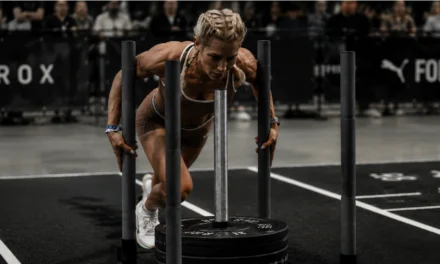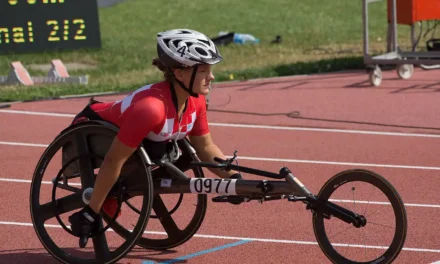


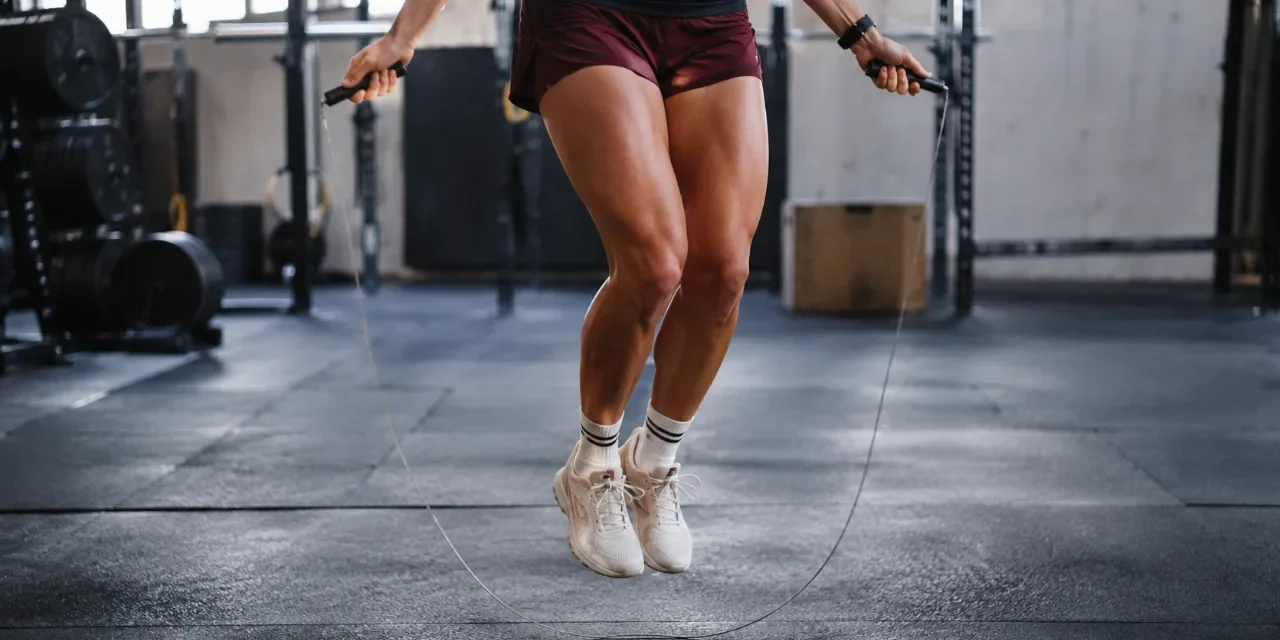
You can deadlift your own body weight, complete a marathon or power through a demanding CrossFit workout and still experience urine leakage when you jump, run or lift. For women who train regularly, stress urinary incontinence can be particularly frustrating. After all, strength is something they actively work on. So why should the pelvic floor be any different?
A randomised trial involving women who regularly participated in CrossFit or functional fitness offers an interesting answer. After 16 weeks of targeted pelvic floor muscle training, 64% of participants in the intervention group reported an improvement in their symptoms, compared with just 8% in the control group. Yet the researchers found no statistically significant difference between the groups in measured pelvic floor strength, and no participant reported a complete cure. The findings challenge the assumption that resolving exercise-related urine leakage is simply a matter of building stronger muscles.
What is stress urinary incontinence in female athletes?
Stress urinary incontinence (SUI) describes involuntary urine leakage associated with physical effort, such as running, jumping, coughing or lifting. The term refers to physical stress rather than psychological stress. For athletes, symptoms may become particularly noticeable during high-impact movements, repetitive jumping or demanding strength exercises. Being physically fit does not automatically protect against incontinence, and experiencing leakage does not necessarily mean that an athlete has a weak pelvic floor. Continence depends on several factors, including muscular coordination, the ability to respond to changes in abdominal pressure and the function of the structures supporting the bladder and urethra.
Can pelvic floor training reduce urine leakage during exercise?
In a randomised controlled trial by Skaug and colleagues, 51 women with stress urinary incontinence were allocated either to a pelvic floor muscle training programme or to a control group. Forty-seven completed the 16-week study. The intervention combined initial instruction in pelvic floor contractions, regular home exercises and weekly contact with a physiotherapist, while the control group continued its usual training without specific pelvic floor exercises. This was a structured treatment programme rather than a general recommendation to perform Kegel exercises.
The researchers assessed symptoms using a questionnaire measuring leakage frequency, amount and the extent to which incontinence affected participants. The average difference between groups was 1.4 points in favour of pelvic floor training. Although nearly two-thirds of the intervention group reported improvement, the average questionnaire difference fell below one previously reported threshold for a clinically meaningful difference between treatments. Participants also knew which group they belonged to, meaning that expectations and additional professional attention may have influenced their responses. Nevertheless, the trial provides encouraging evidence that targeted pelvic floor training can reduce symptoms in women who already participate in physically demanding sports. It does not, however, promise completely leakage-free workouts after four months.
Why a stronger pelvic floor does not necessarily mean less leakage
Athletes are accustomed to measuring progress through numbers: heavier weights, faster running times or more repetitions. Pelvic floor rehabilitation is not necessarily that straightforward. In the functional-fitness trial, symptom improvement occurred without a statistically significant advantage in measured pelvic floor strength. While this does not mean that strength is irrelevant, it raises an important question about how successful treatment should be measured.
A separate pilot study involving three powerlifters or weightlifters illustrates the distinction. None of the participants had given birth, and all three improved their measured pelvic floor strength and endurance following training. Their incontinence symptoms, however, followed entirely different patterns: one athlete improved, one experienced no change and one reported worsening symptoms. With only three participants and no control group, the study cannot establish treatment effectiveness or explain why their experiences differed. It does highlight the limitations of using muscle strength alone as an indicator of recovery. For an athlete experiencing urine leakage under a barbell, an improved strength measurement is not necessarily the same as an improved ability to lift without leaking.
Neither study establishes that heavy lifting caused the participants’ incontinence. Both investigated treatment rather than the origins of the condition. This distinction matters, particularly for women who may already feel pressure to abandon high-impact exercise or strength training because of their symptoms.
What should female athletes do about exercise-related incontinence?
The UK National Institute for Health and Care Excellence (NICE) recommends supervised pelvic floor muscle training for at least three months as a first-line treatment for women with stress or mixed urinary incontinence. It also recommends assessing whether a woman can correctly contract her pelvic floor muscles before beginning supervised training. For athletes, consulting a qualified pelvic health physiotherapist can therefore be a more useful starting point than following a generic exercise routine. An individual assessment can help determine which aspects of pelvic floor function require attention and whether training modifications would be appropriate.
When discussing symptoms with a clinician, describe the movements that trigger leakage, whether it occurs during a particular phase of an exercise and how frequently it happens. Mention whether you experience a sudden urge to urinate, whether symptoms change as a workout progresses and whether leakage has caused you to avoid certain exercises altogether. These details can help establish a treatment plan that reflects the actual demands of your sport rather than focusing exclusively on isolated muscle contractions.
Progress should also be assessed in the context of those sporting goals. For a runner, that might mean experiencing fewer episodes of leakage during longer runs. For a CrossFit athlete, it might mean returning to double-unders with greater confidence. For a weightlifter, it might mean completing demanding sets with fewer symptoms. If progress stalls, the treatment plan should be reviewed rather than assuming that the answer is simply more repetitions or harder contractions.
Urine leakage should not be the price of participation in sport
The available research does not support a blanket recommendation that women experiencing incontinence should stop running, jumping or lifting. Equally, it does not establish that every athlete