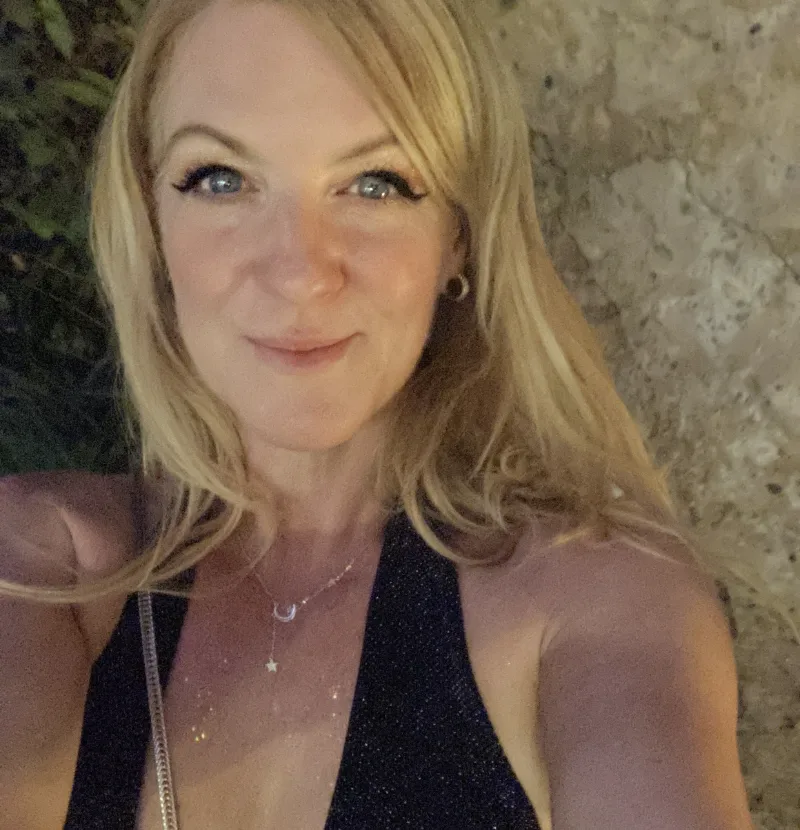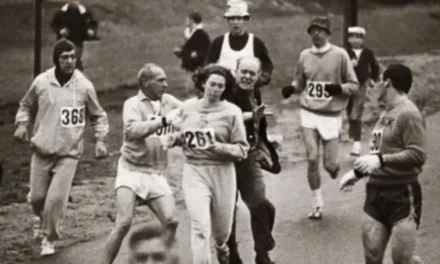

At mile sixty of the Cocodona 250, Rachel Entrekin reached the runners at the front of the race. There were still almost two hundred miles between her and the finish in Flagstaff, across the Sonoran Desert, through mountain ranges and pine forests, with nearly 39,000 feet of climbing ahead. Nothing had been won. But something had become possible.
Entrekin thought about her résumé. She had won Cocodona in each of the previous two years. She had won other races over 200 miles and 100 miles. She knew what it meant to keep moving for days, to manage the heat, the darkness, the food, the exhaustion and the almost complete absence of sleep. The people running at the front were exceptionally qualified to win this race. So was she. Why can’t it be me?
There is an enormous distance between believing that something can be done and believing that you might be the person who does it. We imagine someone writing the book, starting the company, breaking the record or crossing the finish line first. The remarkable thing is that the person we picture is rarely anyone specific. We don’t imagine somebody stronger, faster or more gifted. We simply imagine somebody else.
At mile sixty, Entrekin did not need to become a different athlete. She only had to recognise what her own record already showed. Someone was going to win the Cocodona 250. And there was no logical reason it could not be her.
Fifty-Six Hours
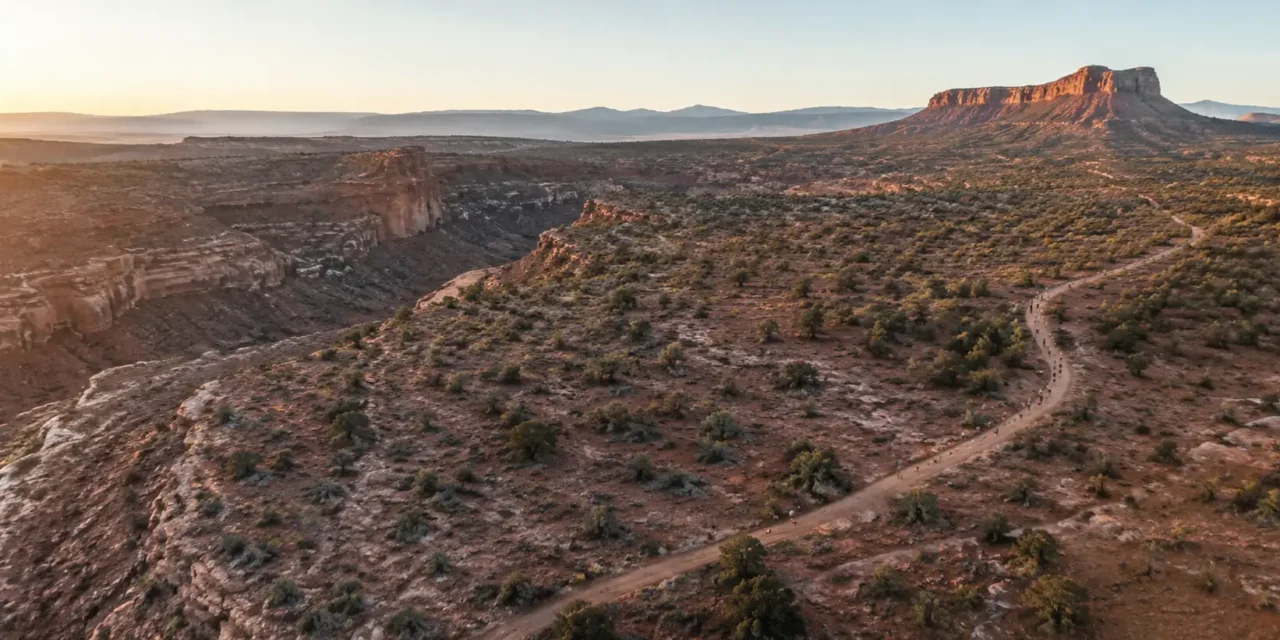
Recognising the possibility was one thing. Turning it into reality was something else entirely. The Cocodona 250 is not a race that can be won with one bold move. It is won one aid station at a time. One climb at a time. One sunrise after another. Runners leave Black Canyon City and cross deserts where temperatures climb rapidly during the day before ascending into the mountains, where the nights can become unexpectedly cold. Hallucinations are common. So are blisters, stomach problems and moments when even eating feels like work.
Entrekin kept moving. Her crew helped with food, fresh clothes and navigation, but the running itself remained hers alone. Over more than fifty-six hours, she slept for only a few minutes at a time, knowing that every unnecessary stop would have to be earned back on the trail. The miles accumulated almost imperceptibly. Sixty became one hundred. One hundred became one hundred and fifty. Eventually there were more miles behind her than ahead of her.
The finish line in Flagstaff drew closer, but the significance of what was unfolding did not fully register until the final hours. Rachel Entrekin was no longer leading the women’s race. She was leading the race. After 56 hours, 9 minutes and 49 seconds, she crossed the finish line first. Rachel Entrekin had become the first woman ever to win the Cocodona 250 overall. She had also set a new course record, one that every future runner, regardless of gender, would have to chase. It was one of the most remarkable performances the sport had seen in years, achieved not through a spectacular sprint or a dramatic attack, but through more than two days of relentless consistency.
Years Before Mile Sixty
Rachel Entrekin’s victory did not begin at mile sixty. It did not even begin at the starting line in Black Canyon City. By the time she found herself asking Why can’t it be me?, she had spent years earning results that quietly placed her among the best ultrarunners in the world.
Unlike many elite athletes, Entrekin was not a child prodigy. She only discovered running after arriving at college in 2009. She began with shorter distances before progressing to marathons, then ultramarathons, and eventually 200-mile races. Looking back, she laughs about the journey, describing it as a gradual “descent into insanity,” a phrase that will sound strangely familiar to almost anyone who has fallen in love with endurance sports. It was not one defining moment that made her an ultrarunner. It was hundreds of ordinary training runs, each taking her a little farther than the last.
For much of that time, running was something she fitted around another career. Entrekin earned a Doctor of Physical Therapy degree and worked as a physical therapist while steadily establishing herself as one of the strongest endurance athletes in the United States. Success on the trails, however, did not automatically translate into financial security. Even after winning major ultramarathons, sponsorship remained limited. In 2024, she turned to crowdfunding to help finance her racing season.
Two years later, she was appearing on ESPN and Good Morning America after winning the Cocodona 250 outright and setting a new course record. To many people, Rachel Entrekin seemed to have appeared almost overnight. In reality, the world had simply noticed what had been there all along.
The question came at mile sixty. The answer had been years in the making.
The Historical Record
- 2009: Rachel Entrekin begins running while attending college.
- 2024: Wins the Cocodona 250 women’s title and finishes 11th overall.
- 2024: Uses crowdfunding to help finance her racing season despite already being one of the sport’s top ultrarunners.
- 2025: Defends her Cocodona 250 title, sets a new women’s course record and finishes fourth overall.
- 2026: Wins the Cocodona 250 outright in 56:09:49, becoming the first woman to win the race overall and setting a new course record.
Why This Story Matters
Rachel Entrekin’s victory was about far more than becoming the first woman to win the Cocodona 250. It reminds us that extraordinary achievements often become possible long before we recognise them as such. Years of work, experience and success can still leave us assuming that someone else is more likely to do the remarkable thing. At mile sixty, Rachel Entrekin asked herself a different question.
Not “Why me?”
“Why not me?”
Sources
- UltraSignup Trailhead – Rachel Entrekin Asks “Why Not You?” and Wins Cocodona 250
- Outside Run – Rachel Entrekin Wins the 2026 Cocodona 250 Overall and Sets a New Course Record
- UltraSignup – Official 2026 Cocodona 250 Results
- The Guardian – Rachel Entrekin Becomes the First Woman to Win the Cocodona 250
- Runner’s World – Rachel Entrekin Wins the Cocodona 250 in an Overall Course Record
- Singletrack Podcast – Rachel Entrekin: 2026 Cocodona 250 Post-Race Interview
- Rachel’s Substack
Editorial illustration created with AI (OpenAI ChatGPT). Not based on an actual photograph.